Before You Invest in Industrial Heat Electrification, Start with Certainty

MGA Thermal Team
November 16, 2026
•
Australia

How FEED helps build the case for investment
For industrial businesses looking seriously at decarbonising process heat, the biggest decision is rarely whether change is coming.
It is deciding what to invest in, when to invest and whether the numbers stack up.
Replacing fossil-fuelled process heat can involve significant capital and changes to critical infrastructure. A compelling technology story isn't enough to justify that investment.
What will it cost? How will it integrate with the existing plant? What are the risks? And is there a strong enough business case to proceed?
That is the gap a Front-End Engineering Design (FEED) study is designed to close.
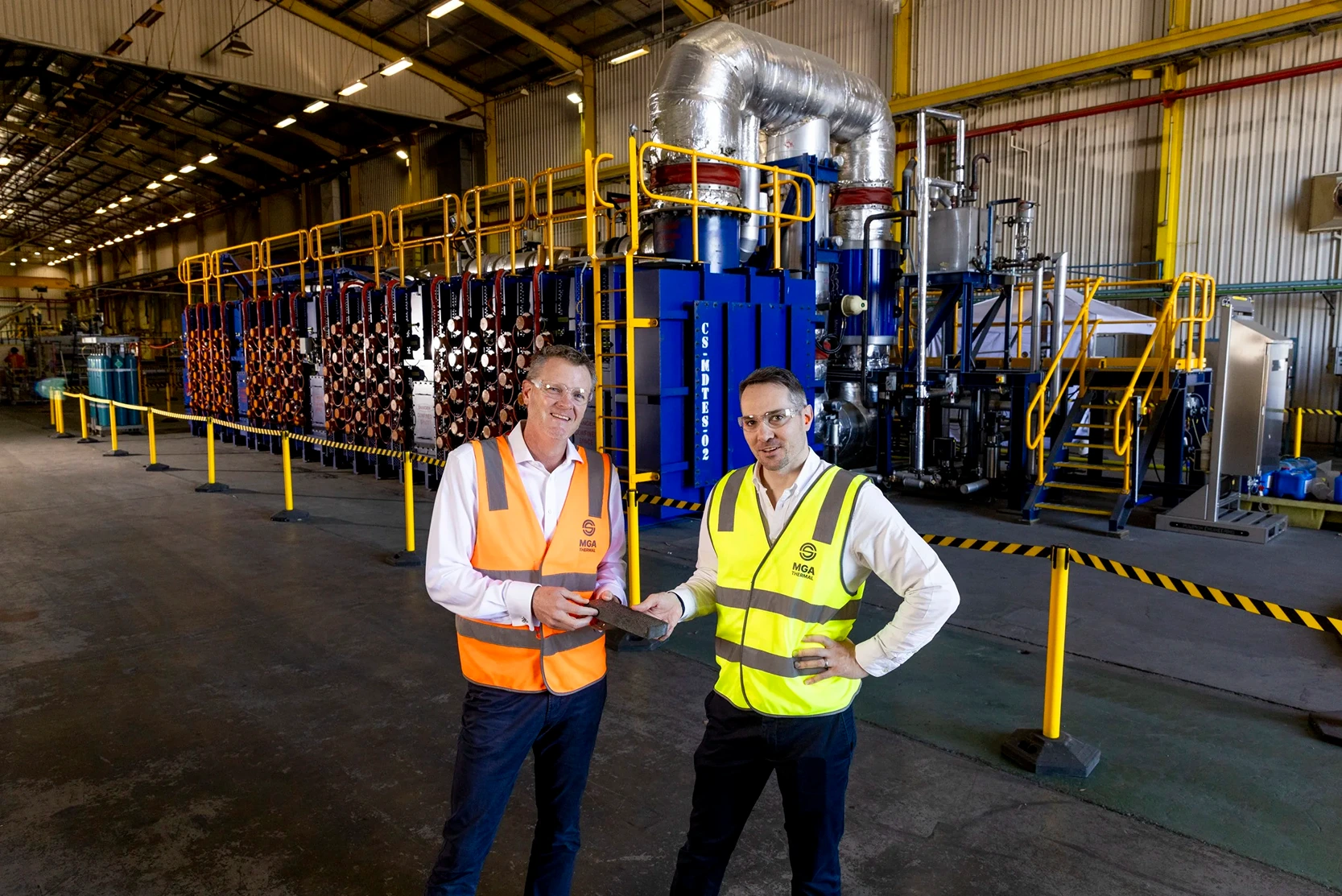
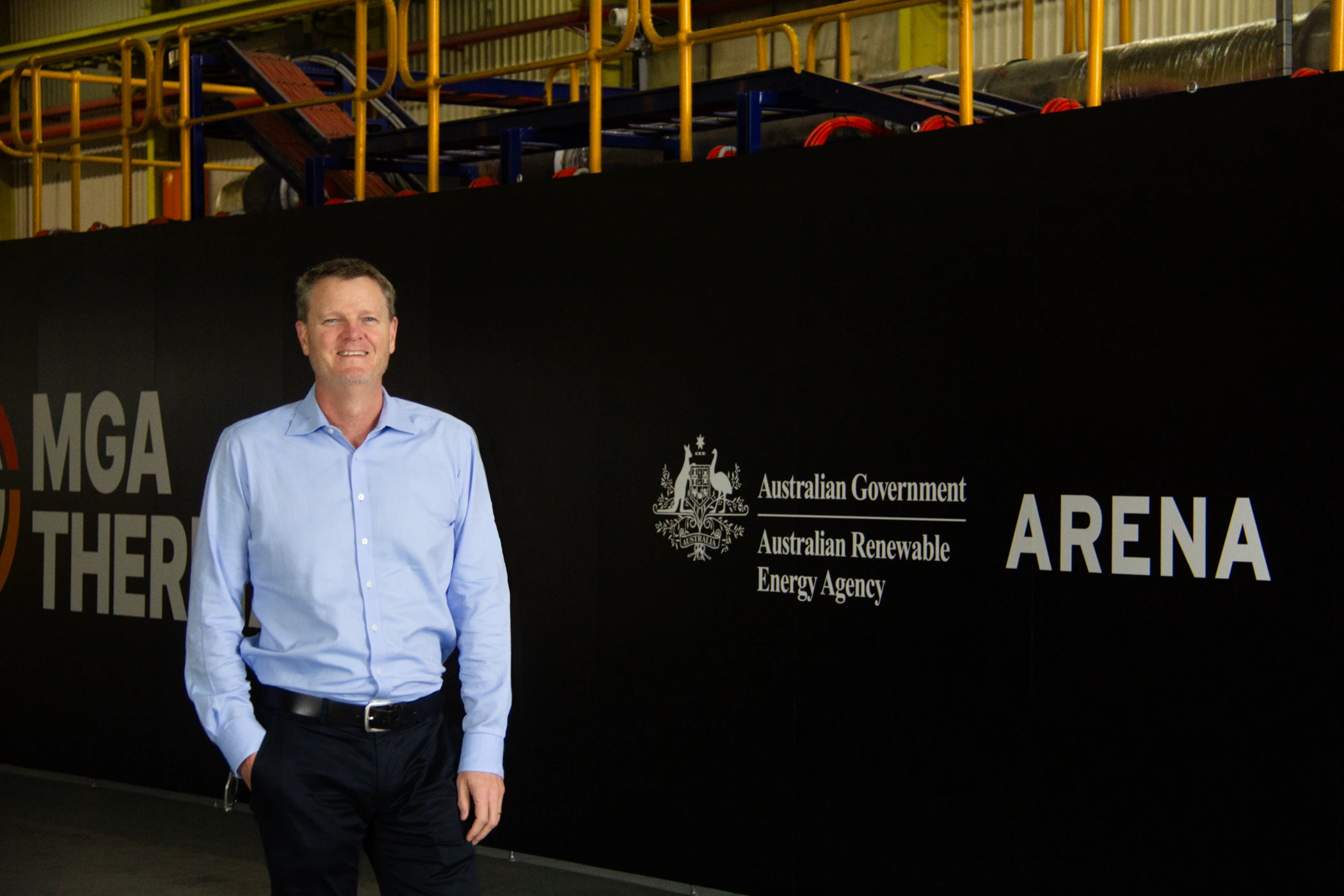
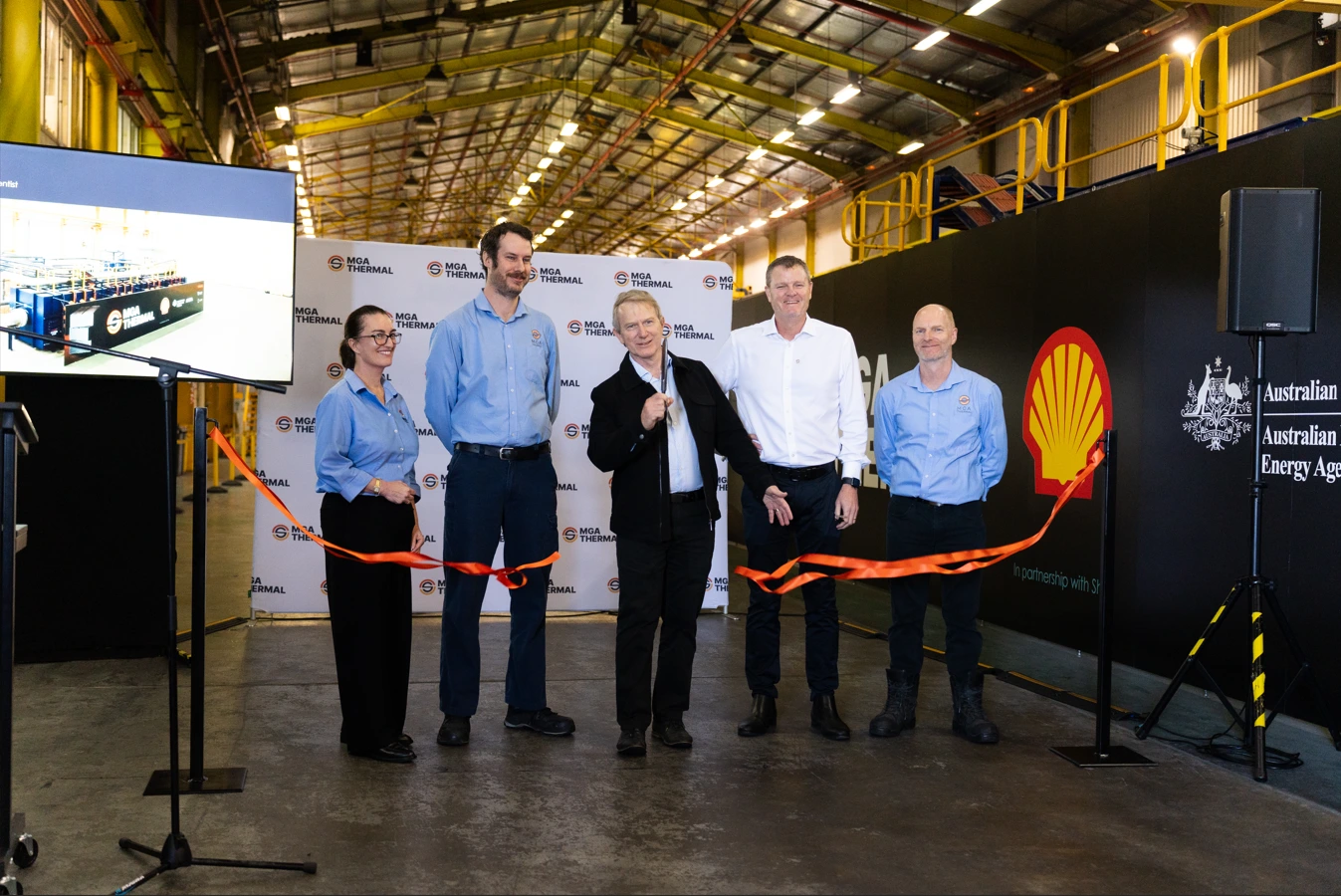
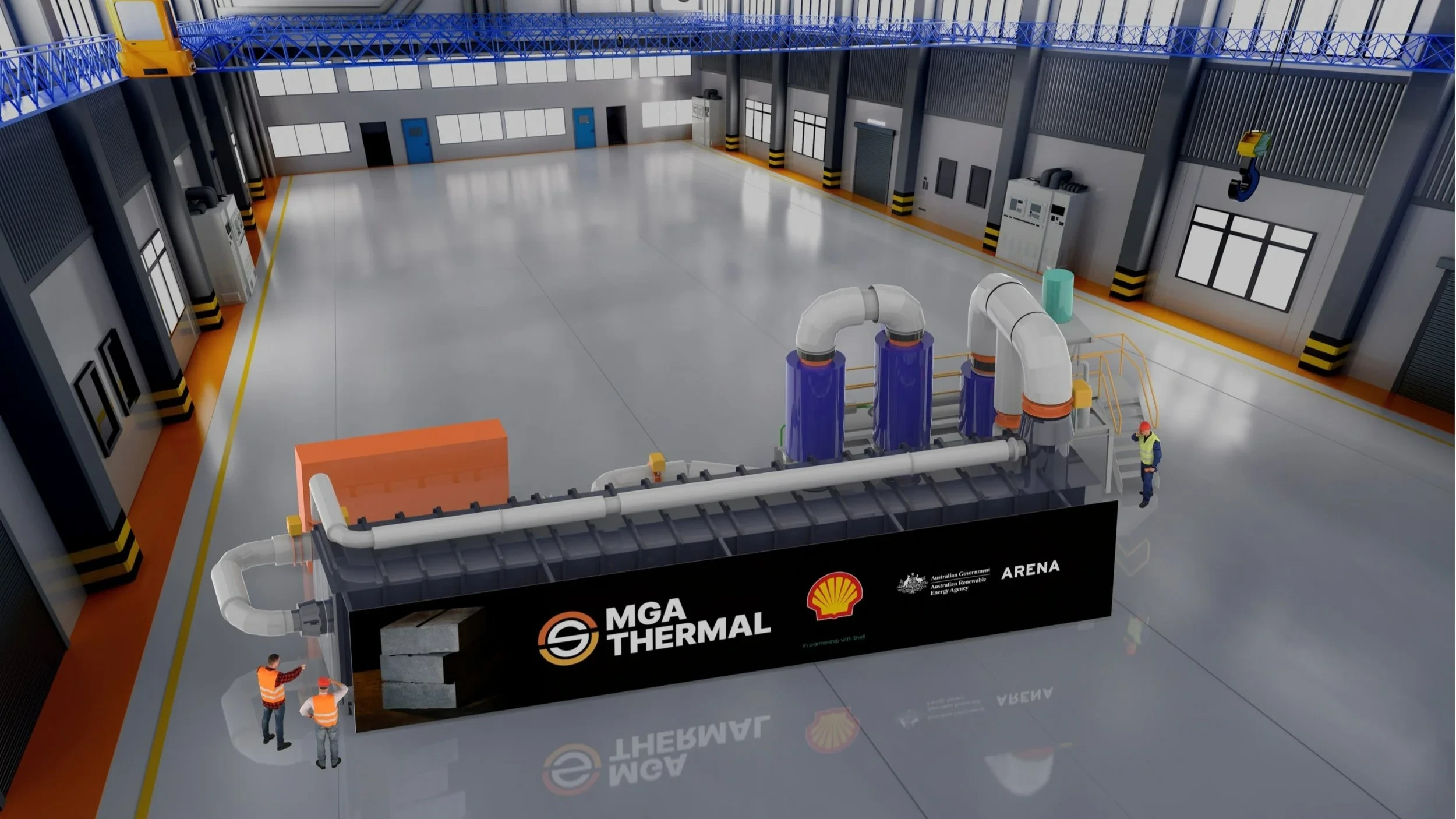
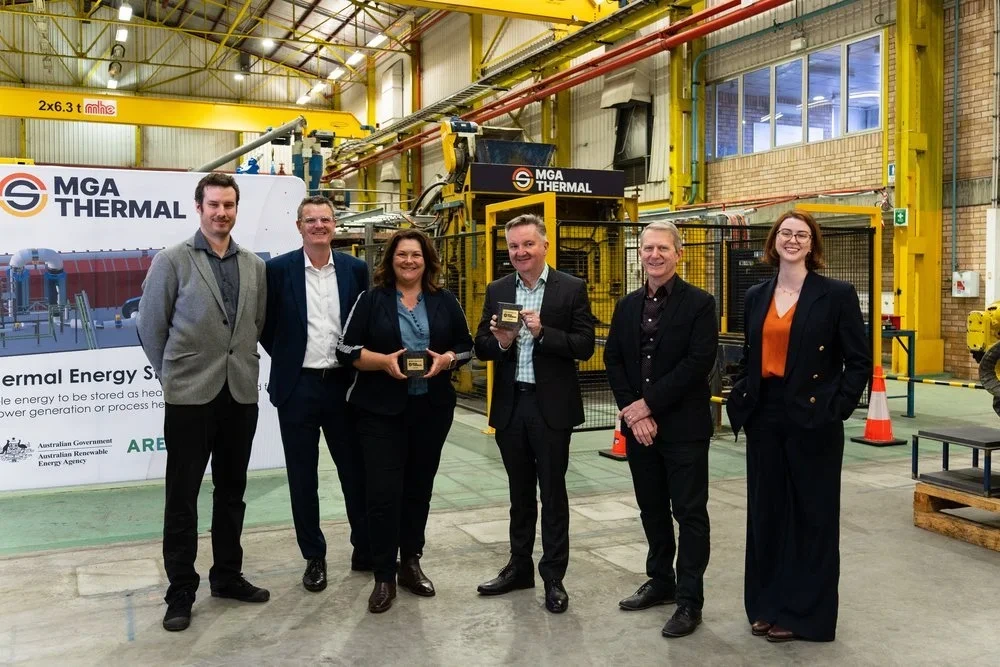
And right now, closing it is even more accessible. MGA Thermal has secured $3.25 million from the Australian Renewable Energy Agency (ARENA) to support up to five FEED studies of its thermal energy storage technology at industrial sites.
FEED isn't a commitment to build
A well-designed FEED study turns an opportunity into something a business can properly assess, providing greater clarity around technical design, project costs, delivery requirements, risks and the commercial case.
Importantly, FEED is not a commitment to construction. It is a commitment to understanding the project well enough to make that decision properly.
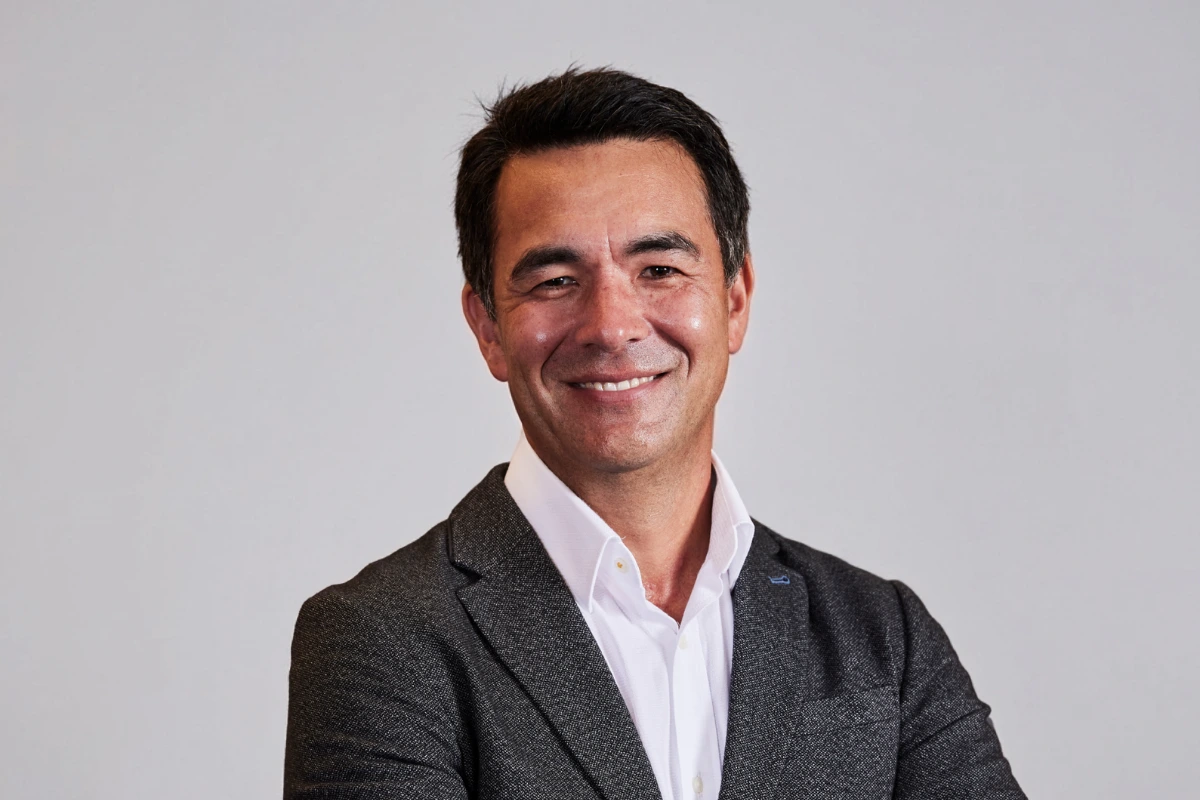
“FEED isn't about committing to a major capital project before you're ready,” says Greg Fyffe, Chief Commercial Officer at MGA Thermal. “It's about getting to the point where you have the engineering, commercial and risk information needed to make that decision with confidence.”
What a FEED study delivers
A site-specific FEED typically takes 4–12 months and provides the level of detail an investment committee will expect, including:
- An integration design showing how the system connects to your existing plant
- A Class 3 cost estimate with a stated accuracy range
- The infrastructure required, such as grid connection, civil works and approvals
- A delivery schedule and a risk register
- A business case built for board-level review
Good investment decisions don't come from avoiding uncertainty. They come from addressing it.
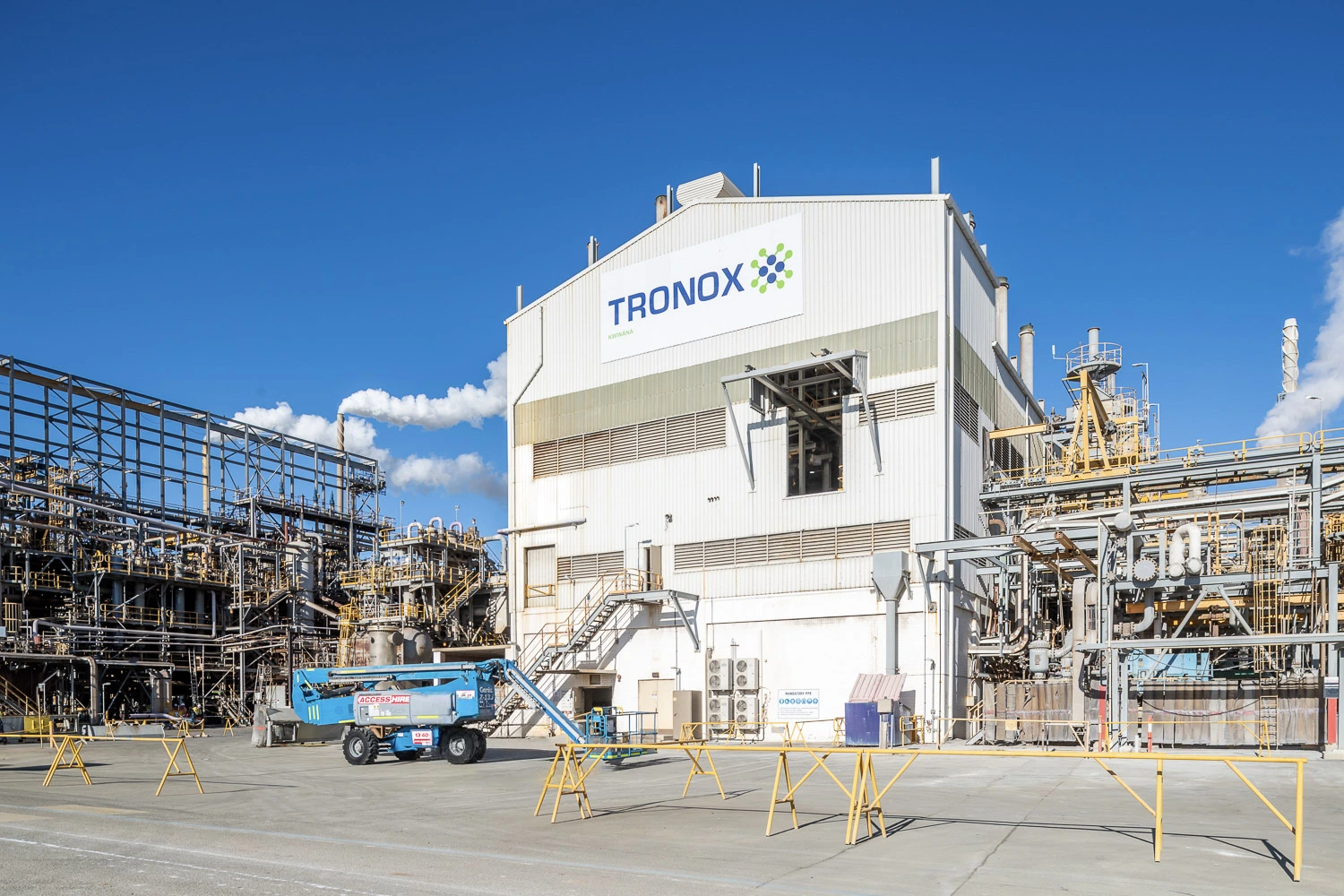
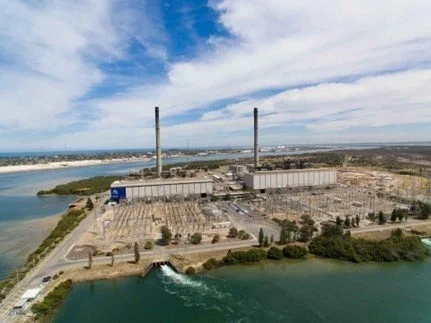
Global chemicals and mining company Tronox is already undertaking a FEED study involving MGA Thermal's thermal energy storage technology at its Kwinana site, with the objective of progressing to a final investment decision following FEED completion.
“For us, the value of FEED is getting into the detail,” says Rachel Mottram, Technology and Improvement Director at Tronox. “It’s about understanding how the project could work at our site, working through the technical and commercial considerations and building the evidence we need to confidently assess the opportunity.”
That is the value of FEED: replacing assumptions with information that can stand up to internal scrutiny and help move a potential project towards an investment decision.
What is the cost of not knowing?
Rather than simply asking “What does the study cost?”, a more useful question may be:
“What uncertainty does that investment remove before we consider a much larger capital commitment?”
FEED can strengthen the business case, identify opportunities to improve project outcomes and uncover constraints early enough to address them. A site constraint found during FEED is a design change. Found during construction, it is a cost overrun or worse.
From opportunity to investment-ready
FEED is the bridge between:
“This technology could work for us.”
and:
“We have the information we need to make an informed investment decision.”
Take part in the ARENA-funded FEED studies
With $3.25 million from ARENA supporting up to five studies, places are limited.
If you are already considering electrifying process heat, this is the time to move beyond high-level assumptions and build a detailed, site-specific business case.